
The Complete Guide to Dry Herb Vaporiser Technology in NZ
Dry herb vaporisation is built on precision — controlled heat, measured output, and careful regulation. Below, you’ll find a clear overview of how these devices function in New Zealand today, from technical fundamentals to current compliance standards.
What is a Dry Herb Vaporiser?
A dry herb vaporiser is a thermal extraction device engineered to heat raw botanical material to a specific temperature without reaching the point of combustion. These devices are defined by their ability to aerosolise active compounds (like terpenes and flavonoids) into a fine mist, rather than creating smoke.
Unlike “liquid vapes” or e-cigarettes, which use processed e-liquids, a dry herb vaporiser uses the raw, unprocessed plant. This makes the technology a preferred choice for those seeking a more traditional botanical experience with modern, electronic precision.
Vaporisation vs. Combustion
The primary function of a vaporiser is to act as a high-precision oven. To understand the technology, one must look at the ignition point of organic material:
- Combustion (The 230°C+ Zone): When botanical material is exposed to an open flame or uncontrolled heat, it typically reaches temperatures between 400°C and 900°C. This chemical reaction incinerates the material, creating smoke. Smoke contains solid particulates, carbon monoxide, and various carcinogenic by-products (tar) created by the destruction of plant molecules.
- Thermal Extraction (The 160°C–220°C Suite): A vaporiser maintains a steady temperature below the point of fire. This allows the essential elements within the plant to reach their boiling point and transition into vapour, while the plant matter itself remains unburned (appearing “toasted” or dehydrated after use).
The 230°C Threshold: In the context of material science, combustion typically occurs at temperatures exceeding 230°C. By utilising precision electronic sensors, dry herb vaporisers maintain temperatures below this point, ensuring that the botanical material is dehydrated rather than incinerated.
Why Temperature Precision Matters
The goal of vaporisation is to reach the “boiling point” of specific compounds without reaching the “ignition point” of the plant matter itself. This process preserves the molecular integrity of the botanical ingredients, resulting in a cleaner output that is free from the tar, carbon monoxide, and various carcinogenic by-products associated with smoke. See our Vaporiser Temperature Guide for a deeper explanation of how different heat ranges affect cannabinoids and terpenes
The Core Engineering Components
Every modern dry herb vaporiser, regardless of brand, consists of four primary engineering pillars:
- The Energy Source: Usually a rechargeable lithium-Ion battery or a wall-plug transformer.
- The Heating Element: The “engine” of the device, typically made of ceramic, stainless steel, or specialised alloys.
- The Chamber (Oven): The housing where the ground herb is placed.
- The Isolated Airpath: A critical safety feature ensuring the air you breathe never touches the internal electrical circuitry or battery cells.
Why Use a Vaporiser in New Zealand?
The shift toward vaporisation technology in New Zealand is driven by two main factors: efficiency and discretion. By avoiding combustion, users preserve up to 30% more active compounds that would otherwise be destroyed by a flame. Furthermore, vapour does not “cling” to fabrics or hair, as it lacks the heavy tars found in smoke, making it a more considerate choice for use in private residences.
Vaporisation Temperature Reference
| Temperature | What Happens | Typical Results |
| 160–170°C | Terpenes begin to release | Light vapour, strong flavour |
| 175–185°C | Cannabinoids vaporise efficiently | Balanced vapour production |
| 190–200°C | Increased extraction | Denser vapour |
| 205–220°C | Maximum compound extraction | Strong vapour output |
| 230°C+ | Combustion begins | Smoke rather than vapour |
The Physics of Heat: Conduction vs. Convection
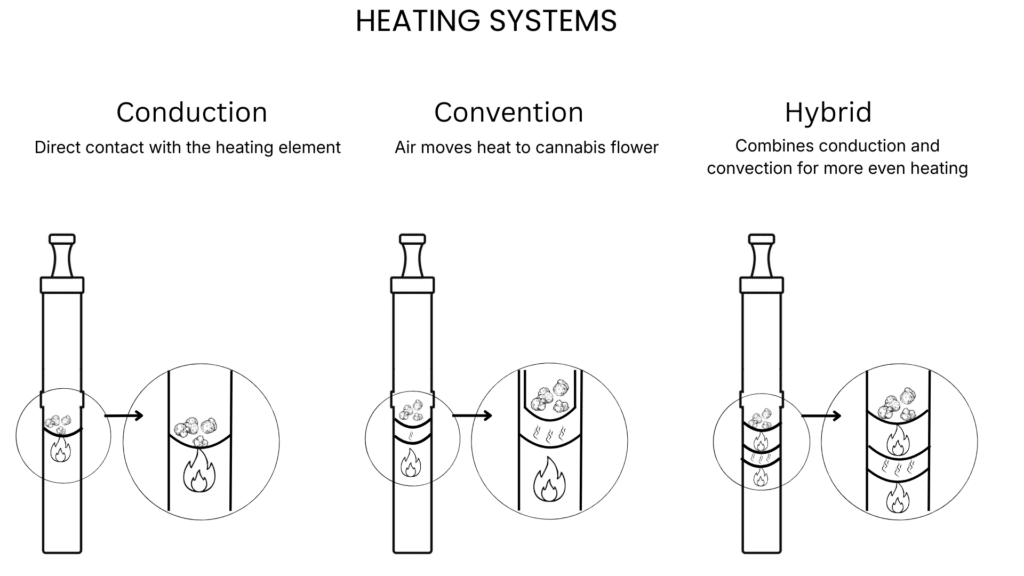
In the world of dry herb vaporisation, the “Physics of Heat” refers to how energy is transferred from the device’s heating element to your botanical material. While the end goal is always to reach the boiling point of active compounds, the method of delivery significantly impacts flavour, battery efficiency, and how you actually use the device.
In 2026, most high-quality devices in New Zealand fall into one of three categories: Conduction, Convection, or a Hybrid of both.
Conduction Heating: Direct Contact
Conduction is the most traditional form of heating. It works similarly to a frying pan on a stove; the walls of the “oven” (the chamber) are heated directly, and your herb must touch those hot walls to vaporise.
- How it works: Heat radiates from the chamber walls (usually ceramic or stainless steel) into the herb.
- The Experience: Conduction typically produces thick, dense vapour very quickly. It is ideal for “session” vaping where you want consistent heat throughout.
- The Trade-off: Because the heat is concentrated on the walls, the herb closest to the edges can brown faster than the herb in the center. Most conduction users find they need to “stir” the bowl halfway through to ensure even extraction.
Convection Heating: Hot Air Flow
Convection is often referred to as the “Gold Standard” for flavor. Instead of the walls getting hot, a convection device heats the air before it reaches the herb. When you inhale, that hot air is pulled through the material, vaporising it instantly.
- How it works: Think of a fan-forced oven. The herb is “cooked” by the movement of hot air, not by contact with a hot surface.
- The Experience: Convection provides the purest flavor profile because the herb isn’t “toasted” between hits. It only vaporises while you are actively pulling air through the device.
- The Trade-off: Convection engines require more battery power and a longer “draw” (breath) to get the air up to temperature. These devices are often slightly larger to accommodate the air-heating path.
Hybrid Heating: The Modern Standard
As of 2026, many of the most popular devices in the NZ market (such as those from Storz & Bickel or DaVinci) utilise hybrid heating. This engineering feat combines the immediate vapour production of conduction with the flavour purity and even extraction of convection.
The conduction element pre-heats the chamber walls to provide “thermal mass,” while the convection air-path kicks in as you inhale. This results in a device that is easy to use, requires no stirring, and provides a satisfyingly thick vapour from the very first draw.
Which Heating Method Is Right for You?
Choosing between conduction and convection isn’t about which technology is “better,” but rather which one aligns with your lifestyle. If you value speed and portability for quick use while out in the NZ elements, conduction is a reliable workhorse. If you are a “flavor chaser” who prefers long, relaxed sessions at home, convection will serve you best.
For the majority of New Zealanders looking for a high-performance daily driver, Hybrid heating represents the pinnacle of 2026 technology—offering the “plug-and-play” ease of conduction with the refined quality of convection.
Device Categories in NZ
Vaporisers in the New Zealand market are primarily distinguished by their power source and intended environment. With the 2025 ban on “disposable” single-use vapes, all legal hardware in NZ now falls into two rechargeable categories.
Portable Vaporisers (Handheld Units)
Portable units are the most popular choice in NZ due to their versatility. These devices run on internal or swappable lithium-ion batteries.
- Battery Life: In 2026, look for USB-C charging as the standard. High-end portables often feature “pass-through” charging, allowing you to use the device while it’s plugged into a power bank.
- Discretion: These units are designed to be palm-sized. Because vapour dissipates quickly and lacks the heavy odour of smoke, these are ideal for private outdoor use or well-ventilated indoor spaces.
- Durability: Many NZ consumers opt for ruggedised portables (like the Pax or DaVinci lines) that can withstand the occasional drop or exposure to New Zealand’s coastal humidity.
Desktop Vaporisers (Home Stations)
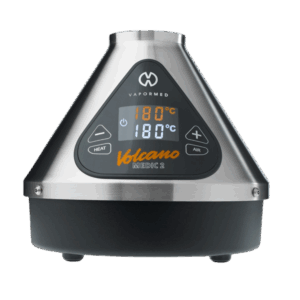
Desktop units are stationary devices that require a direct connection to a 230V NZ wall outlet. Because they aren’t limited by battery size, they offer unparalleled heating power.
- Vapor Delivery: Desktop units use either a “Whip” (a silicone tube) or a “Balloon” system (where a fan fills a bag with vapour).
- Longevity: Without a battery to eventually degrade, a well-maintained desktop unit (like the Volcano) can last a decade or more, making it a sustainable long-term investment.
A Note on Medical-Grade Certification
Within the portable and desktop categories, a small selection of specialised devices in New Zealand are registered with the Therapeutic Goods Administration (TGA) in Australia and listed on New Zealand’s Web Assisted Notification of Devices (WAND) Database. These specific units are registered for therapeutic use and meet additional manufacturing and safety standards.
While the majority of high-end vaporisers are built with premium materials like ceramic and stainless steel, medical devices are the specific choice for patients whose healthcare providers require hardware that has undergone the highest level of safety verification.
Technical Features to Consider
Not all vaporisers are engineered equally. In 2026, the difference between a high-performance device and a budget entry-level unit comes down to five technical pillars. Understanding these will help you avoid “buyer’s remorse” and ensure your device lasts for years of service.
Battery Life and Charging (The USB-C Standard)
In New Zealand’s fast-paced environment, battery management is crucial. Most modern portables now offer between 60 and 90 minutes of continuous “runtime,” which typically equates to 6–10 sessions.
- USB-C Fast Charging: As of 2026, this is a non-negotiable feature. It allows for rapid top-ups and compatibility with the same chargers used for your phone or laptop.
- Replaceable vs. Internal: Some devices allow you to swap out the 18650 battery. This is a massive advantage for longevity; when the battery eventually loses its capacity, you simply replace the cell rather than the entire $300 device.
Precision Temperature Control
While entry-level devices often use “presets” (e.g., Low, Medium, High), premium hardware allows for single-degree adjustment. This is vital for “Temperature Stepping”—starting a session at 170°C for flavor and gradually increasing to 210°C for full extraction. If you are using botanicals for specific wellness goals, precision control is the only way to ensure you are releasing the specific compounds you need.
Build Materials and Vapour Path
Maintenance & Longevity
Without basic care, residue from vaporised plant material gradually builds up inside the chamber and air path. Over time this can affect airflow, flavour, and heating efficiency. Fortunately, most maintenance is simple and only requires a few minutes.
A dry herb vaporiser is a precision device. Like any system that relies on controlled heat, airflow, and electronic components, its performance depends heavily on regular maintenance.
Why Regular Maintenance Ensure Longevity
When botanical material is heated, natural oils and fine particles are released. These compounds can accumulate inside the oven, screens, and air pathway.
Routine cleaning helps to:
- maintain consistent airflow
- preserve flavour and vapour quality
- reduce strain on heating elements
- extend the lifespan of the device
Manufacturers such as PAX, DaVinci, and Storz & Bickel all recommend periodic cleaning to ensure devices continue operating as designed.
Basic Cleaning Routine
Most portable vaporisers follow a similar maintenance routine. A light clean every few sessions is usually enough to prevent residue buildup.
Typical steps include:
- removing and cleaning screens or filters
- brushing loose material from the oven after each session
- wiping the chamber with isopropyl alcohol and a cotton swab
- allowing all parts to fully dry before reassembly
For a detailed walkthrough, see our guide on Davinci IQ3, Storz & Bickel Mighty Medic+, Storz & Bickel Volcano
Deep Cleaning
Over time, deeper cleaning may be required, particularly for devices with removable air paths or cooling units.
This may involve:
- soaking metal components in isopropyl alcohol
- replacing screens or gaskets
- clearing resin buildup in airflow channels
The official maintenance instructions provided by manufacturers are often the best reference point. For example, publishes detailed cleaning guides for their devices on their support pages.
You can also refer to broader harm-reduction information published by the New which outlines general guidance on inhalation devices and regulated products.
Battery Care
Battery health plays a major role in the longevity of portable vaporisers. Lithium-ion batteries gradually lose capacity over time, but careful charging habits can slow this process.
Good practices include:
- avoiding complete battery depletion where possible
- unplugging the device once fully charged
- storing devices in moderate temperatures
- using manufacturer-approved charging cables
Some premium devices allow battery replacement, which can extend usable life considerably.
Storage and Handling
How a vaporiser is stored between sessions also affects longevity.
Consider the following:
- empty the chamber after use
- avoid storing devices with material inside the oven
- keep devices in dry environments
- use protective cases when transporting portable units
These small habits help prevent moisture exposure and unnecessary wear.
Replacement Parts
Even with good maintenance, certain components will eventually wear out. Screens, gaskets, and mouthpieces are typically designed to be replaced.
Replacing small parts periodically helps maintain:
- airflow performance
- hygienic use
- consistent heating
Check out our Vaporiser Parts & Accessories for replacement parts.
Why Caring for Your Device is Important
A well-maintained vaporiser can remain functional for many years. Devices that are cleaned regularly and used within their recommended temperature ranges tend to retain better performance over time.
Routine care not only improves daily use but also protects the internal heating system and electronics that make precise vaporisation possible.
Typical Vaporiser Cleaning Chart
| Frequency | Action | Components |
| After Every Use | Brush out chamber, wipe mouthpiece | Chamber, Mouthpiece |
| Daily (1-5 uses) | Quick sweep with brush, check air path | Screen, Airpath |
| Weekly (10-15 uses) | Deep Clean: Soak in 91%+ Isopropyl Alcohol (ISO) for 30 min | Mouthpiece, Screens, Glass/Metal parts |
| As Needed | Change out bags, replace old screens | Bags, Screens |
Legal & Compliance 2026
New Zealand has a specific regulatory framework governing cannabis products and vaporisation devices. While dry herb vaporisers themselves are not prohibited devices, their use and promotion exist within a regulated environment shaped primarily by the Misuse of Drugs (Medicinal Cannabis) Regulations and the Smokefree Environments and Regulated Products Act.
Understanding these regulations helps ensure that devices are used and discussed in a responsible and compliant manner.
The Medicinal Cannabis Scheme
New Zealand’s medicinal cannabis framework is administered by the Ministry of Health through the Medicinal Cannabis Agency. The scheme establishes quality standards and prescribing pathways for approved cannabis-based medicines.
Under this framework:
- Medicinal cannabis products must meet strict quality standards.
- Access generally requires a prescription from a registered medical practitioner.
- Products supplied under the scheme must be manufactured in accordance with Good Manufacturing Practice (GMP).
You can learn more about the programme through the Ministry of Health’s Medicinal Cannabis information page.
Regulation of Vaping and Related Devices
New Zealand’s broader vaping regulations are primarily governed by the Smokefree Environments and Regulated Products Act 1990. These rules focus largely on nicotine vaping products but also establish general restrictions around advertising and promotion of regulated products.
Key principles include:
- Restrictions on advertising and promotional claims.
- Age restrictions on the sale of regulated vaping products.
- Retail and display rules for certain product categories.
The official guidance can be found on the Smokefree legislation information page provided by the Ministry of Health.
Advertising and Communication Restrictions
New Zealand law places limits on how regulated products may be promoted or advertised. Communications must avoid encouraging the use of regulated products or making unsubstantiated health claims.
Because of this, many educational resources focus on:
- technical explanations of devices
- regulatory context
- product design and engineering
- harm reduction research
rather than promotional language.
Further guidance is available through the Smokefree Environments and Regulated Products Act resources.
Medical Guidance and Patient Access
Patients seeking medicinal cannabis treatment should consult a qualified healthcare professional. Prescribing decisions are made by clinicians based on clinical judgment and individual patient needs.
Information for patients and healthcare professionals is provided by the Medical Cannabis Agency.
Staying Informed
Regulatory frameworks evolve as public health policy develops. Anyone researching vaporisation technology or medicinal cannabis in New Zealand should refer to official government guidance for the most current information.
The most reliable sources include:
Important Note
This guide is intended for informational purposes only and does not constitute medical or legal advice. Individuals should consult healthcare professionals and official government resources for guidance relevant to their situation.
FAQs
Yes. Dry herb vaporisers remain legal for sale and possession in NZ. They are classified as “Regulated Products” under the Smokefree Environments and Regulated Products Act. However, as of June 2025, they must meet specific safety notifications, and retailers must follow strict age-verification (R18) and display protocols.
Under NZ law, vaping is prohibited in all areas where smoking is banned, including indoor workplaces, schools, early childhood centres, and public transport. Additionally, it is illegal to vape in a vehicle carrying anyone under the age of 18.
No. You do not need a prescription to purchase a device from a specialist retailer. However, if you are a patient using medicinal cannabis, using a vaporiser is the Ministry of Health’s recommended method of inhalation over smoking.
As of June 17, 2025, the sale of non-refillable and non-rechargeable “disposable” vapes is banned. All legal devices in NZ must now be reusable, featuring rechargeable batteries and refillable chambers or pods to reduce environmental waste and youth access.