
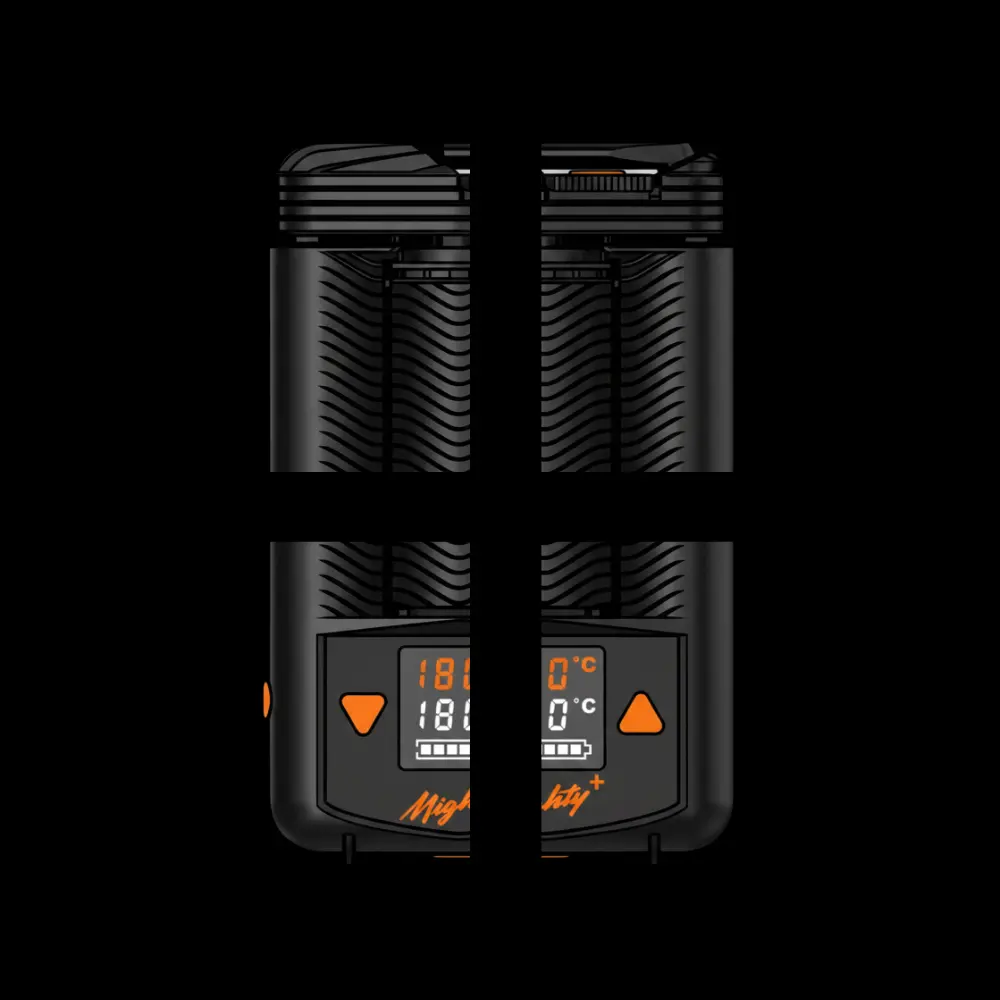
How to Use a Dry Herb Vaporiser: A Step-by-Step Guide
If you have just picked up your first dry herb vaporiser, or you are thinking about making the switch from smoking, knowing how to use it correctly makes a significant difference to your experience. Dry herb vaporisers are precision devices — they work best when you understand the basic steps involved in setting one up and using it properly.
This guide walks through everything from preparing your material to getting the most out of each session.
What Is a Dry Herb Vaporiser?
A dry herb vaporiser is a device that heats botanical material, such as cannabis or other dry herbs, to a precise temperature that releases active compounds as vapour, without burning the plant material. Because combustion is avoided, the experience is fundamentally different to smoking.
If you are new to the technology, our complete guide on dry herb vaporisers explains how these devices work in detail, including the difference between conduction and convection heating.
Note: In New Zealand, you may also see these devices referred to as a “dry herb vaporizer” , the American spelling. Both terms refer to the same technology.
What You Will Need Before You Start
Before your first session, make sure you have:
- Your dry herb vaporiser, fully charged
- Dry botanical material
- A quality herb grinder
- A small cleaning brush (usually included with your device)
- Isopropyl alcohol and cotton swabs for maintenance
Step 1: Charge Your Device Fully
Most modern portable vaporisers use USB-C charging. Before your first use, charge the device to full capacity. This ensures the battery performs at its best and gives you accurate temperature control throughout your session.
As a general rule, avoid letting the battery drain completely between uses; this helps extend the overall lifespan of the battery over time.
Step 2: Grind Your Herb to the Right Consistency
Grind size has a direct impact on how well your vaporiser performs. Material that is too coarse will not extract efficiently, while material that is too finely ground can restrict airflow or pass through the screen into the air path.
For most dry herb vaporisers, a medium grind — similar in consistency to coarse sea salt, works well. This allows hot air to move evenly through the material, improving extraction.
Our guide on how to pack a vaporiser goes into more detail on grind size, packing density, and airflow, and is worth reading alongside this one.
Step 3: Pack the Chamber
Once your herb is ground, it is time to load the chamber (sometimes called the oven).
- Fill the chamber with ground material. Do not over-pack; the herb should sit loosely enough to allow airflow through it.
- Packing density matters. A chamber that is packed too tightly will restrict airflow and reduce vapour quality. A chamber that is too loosely filled may produce thin, inconsistent vapour.
- For most devices, filling the chamber to around two-thirds to three-quarters full is a good starting point.
Different heating methods may call for slightly different packing approaches. Conduction devices (where the chamber walls directly heat the herb) generally work well with a slightly firmer pack, while convection devices (where hot air flows through the herb) benefit from a looser fill to allow air to move freely.
Step 4: Set Your Temperature
Temperature is one of the most important variables in dry herb vaporisation. Different compounds within botanical material vaporise at different temperatures, which means the temperature you choose directly influences your experience.
As a general reference:
| Temperature | What Happens |
|---|---|
| 160–170°C | Terpenes begin to release — light vapour, strong flavour |
| 175–185°C | Balanced vapour production |
| 190–200°C | Denser vapour, increased extraction |
| 205–220°C | Maximum compound extraction, strong vapour output |
| 230°C+ | Combustion begins — smoke rather than vapour |
For your first session, starting in the 175–185°C range is a sensible approach. This is where many users find a balance between flavour and vapour density.
Our vaporiser temperature guide explains this in much more detail, including how temperature stepping — gradually increasing the temperature over a session — can help you get more from your material.
Step 5: Allow the Device to Heat Up
Once you have set your temperature, allow the device to reach that temperature before you begin inhaling. Most modern devices take between 20 and 60 seconds to heat up, depending on the model and heating method.
Many devices will indicate when they have reached the target temperature, either through a light, a vibration, or a display notification. Starting before the device has fully heated up typically produces thin, underwhelming vapour.
Step 6: Inhale Correctly
How you inhale from a dry herb vaporiser is different to smoking. Long, slow, steady draws tend to produce better results than short, sharp inhales.
- Draw the vapour slowly and steadily for around 5–10 seconds
- Allow a brief moment before exhaling
- If your device uses convection heating, a slightly longer draw helps pull the heated air through the material effectively
If you find the vapour is harsh, your temperature may be set too high. If you are getting very little vapour, try a slightly higher temperature or check your grind size and packing density.
Step 7: Monitor Your Session
A typical session lasts between 5 and 15 minutes depending on the device, the amount of material loaded, and the temperature used. You will notice the vapour becoming thinner and the flavour fading as the session progresses, this is a sign that the active compounds have been extracted.
If you are using a conduction device, you may find that gently stirring the material halfway through the session improves extraction by exposing fresh material to the heated chamber walls.
Step 8: Empty and Clean the Chamber After Use
Once your session is finished, allow the device to cool before emptying the chamber. The spent material, sometimes called ABV (already been vaped), will appear lightly toasted or golden brown in colour.
Brush out the chamber with the cleaning brush after each session. This prevents residue from building up and helps maintain consistent airflow and flavour over time.
Regular maintenance significantly extends the lifespan of your device. For detailed cleaning instructions, see our guides on the Storz & Bickel Mighty Medic+, DaVinci IQ3, and Volcano Vaporiser.
Common Mistakes to Avoid
Over-packing the chamber. This restricts airflow and reduces vapour quality. Fill loosely and evenly.
Using too coarse a grind. Large pieces of herb do not extract efficiently. Use a dedicated herb grinder for best results.
Inhaling too quickly. Short, sharp draws do not give the heated air enough time to work through the material. Slow down.
Not allowing the device to heat up fully. Starting too early almost always results in thin, flavourless vapour.
Skipping cleaning. Residue builds up quickly and affects both airflow and flavour. A quick brush-out after every session takes less than a minute.
Vaporising vs Smoking: What Is the Difference?
If you are transitioning from smoking, the experience of using a dry herb vaporiser will feel noticeably different. Because combustion is avoided, the output is vapour rather than smoke — which tends to be smoother, cooler, and carries more of the natural flavour profile of the botanical material.
Our guide on vaporising vs smoking covers this topic in depth, including how the two methods differ in terms of temperature, by-products, and overall experience.
Choosing the Right Device
If you are still deciding which vaporiser suits your lifestyle, it helps to understand the main categories available. Portable vaporisers are battery-powered and designed for flexibility, while desktop units offer greater power and are better suited to home use.
Our guide on portable vs desktop vaporisers explains the key differences and what to consider when choosing between them.
A Note on Legal Use in New Zealand
Dry herb vaporisers are legal to own and use in New Zealand. For a clear overview of the current regulatory framework, including what changed under the 2025 vaping regulations, see our guide on are dry herb vaporisers legal in New Zealand and our NZ vaping compliance guide
External Reference
- Ministry of Health — Medicinal Cannabis — New Zealand’s official medicinal cannabis framework
- Smokefree Environments and Regulated Products Act — The legislation governing vaping products in NZ
- New Zealand Medicinal Cannabis Agency — Regulatory guidance for patients and practitioners